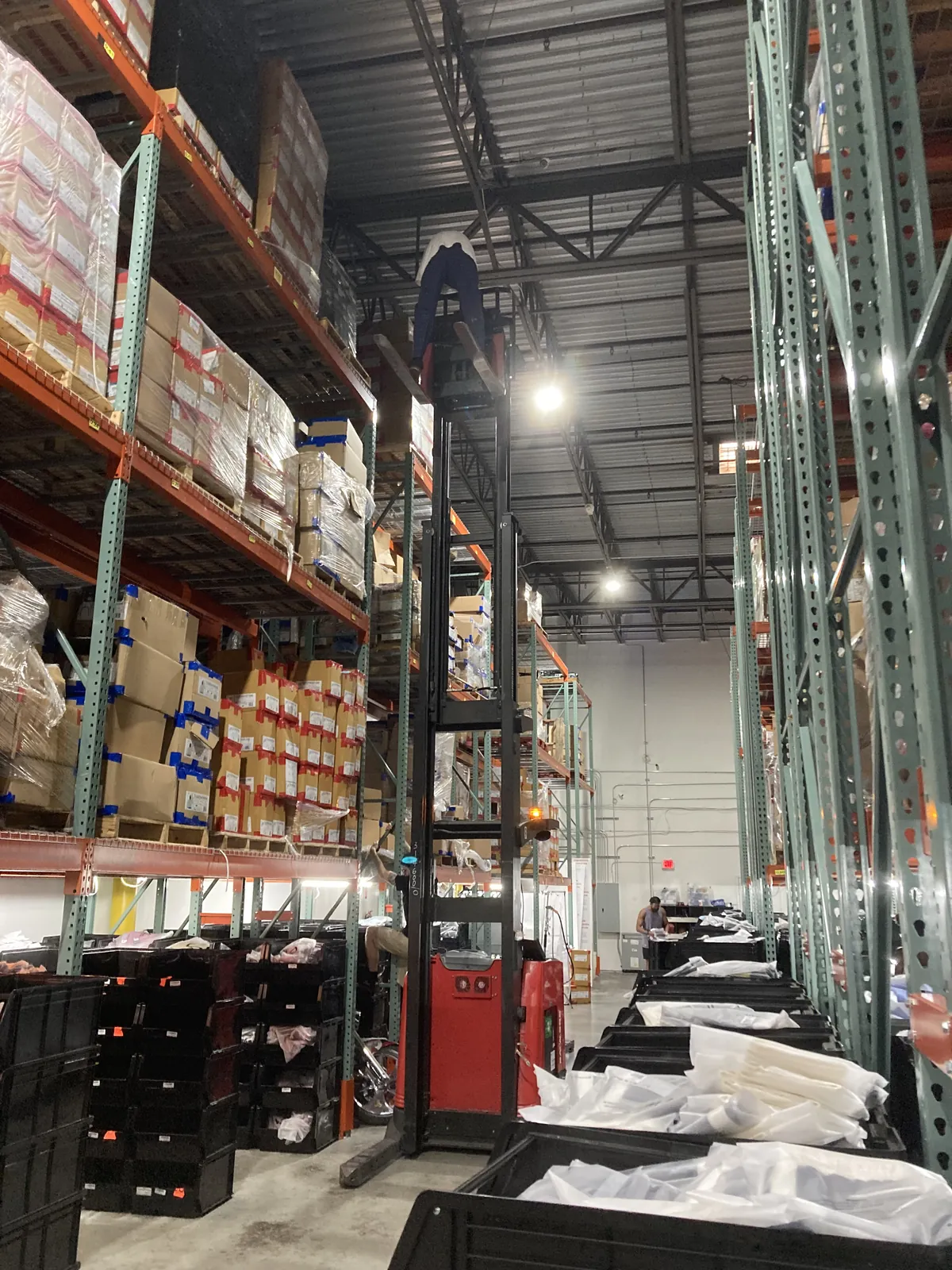
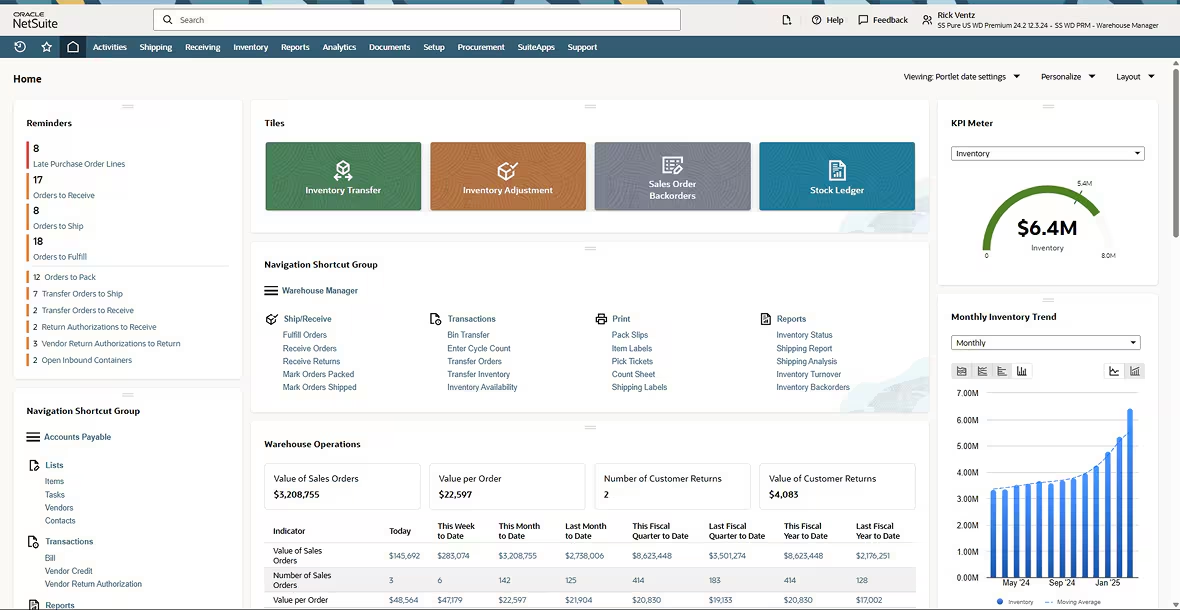
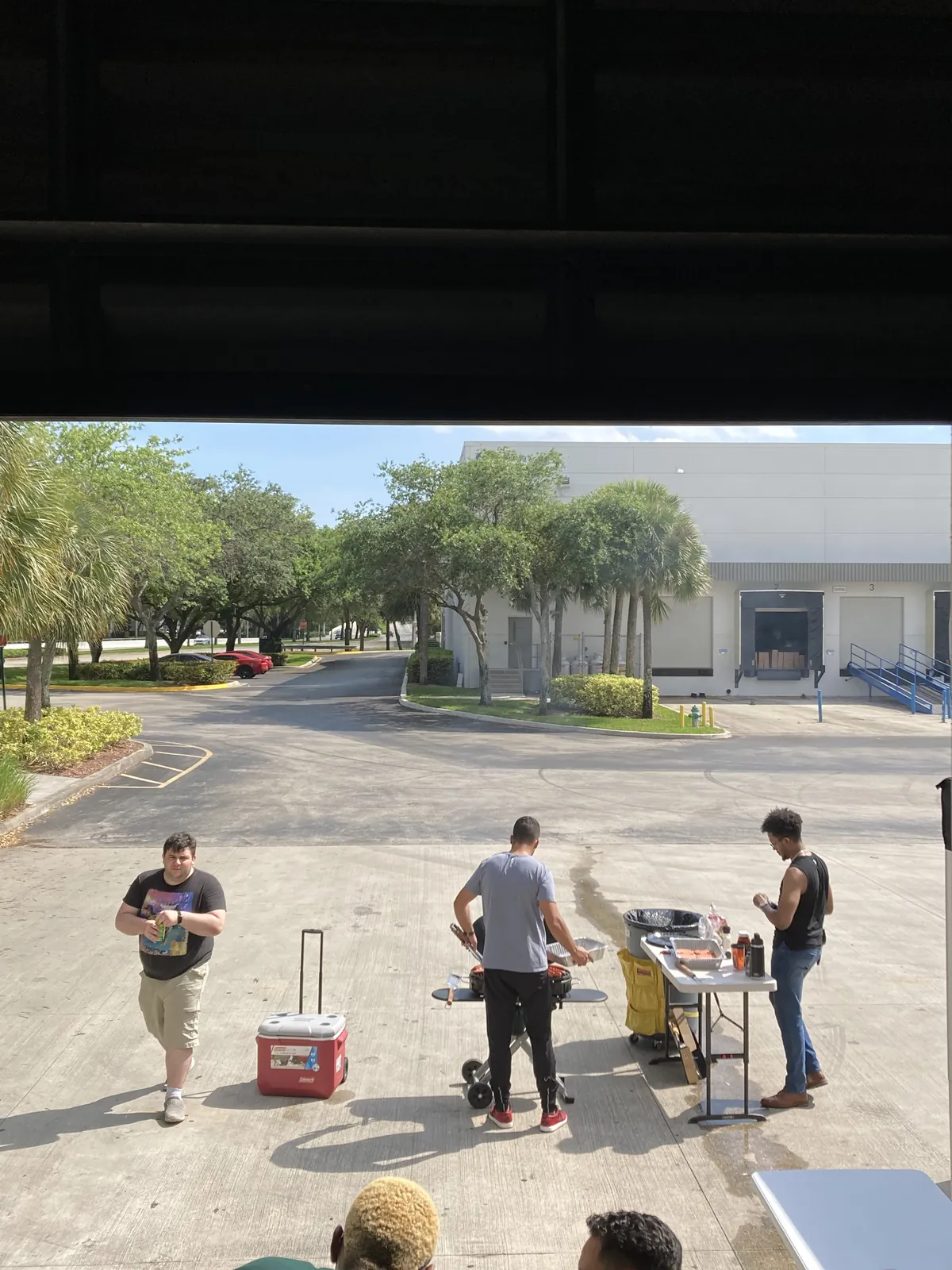
I started at TLF Apparel in April 2021 through a friend's referral, beginning as a warehouse associate on the fulfillment floor. My days were spent in the heart of operations: picking sales orders using Zebra handheld scanners that pulled directly from Oracle NetSuite, our central ERP system. Every morning brought a queue of orders that needed to be fulfilled. I'd scan product barcodes, navigate warehouse aisles, and build each shipment piece by piece. Once picked, orders moved to the packing station where I'd process them through ShipStation, printing labels and packing slips, selecting the right box sizes, and prepping parcels for carrier pickup. The final step was staging everything on the conveyor belt system, where packages would get sorted and loaded onto FedEx, UPS, and USPS trucks.
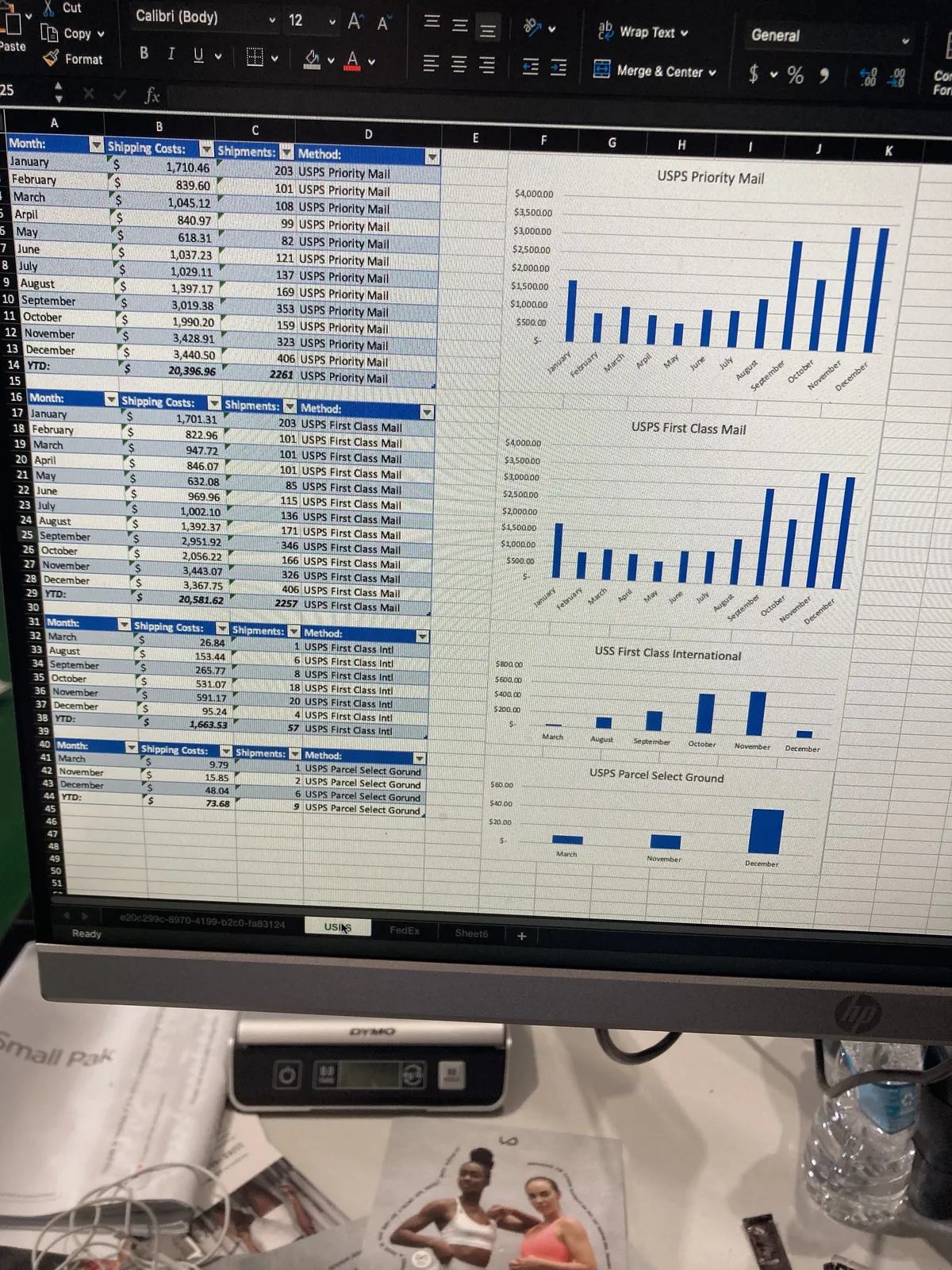
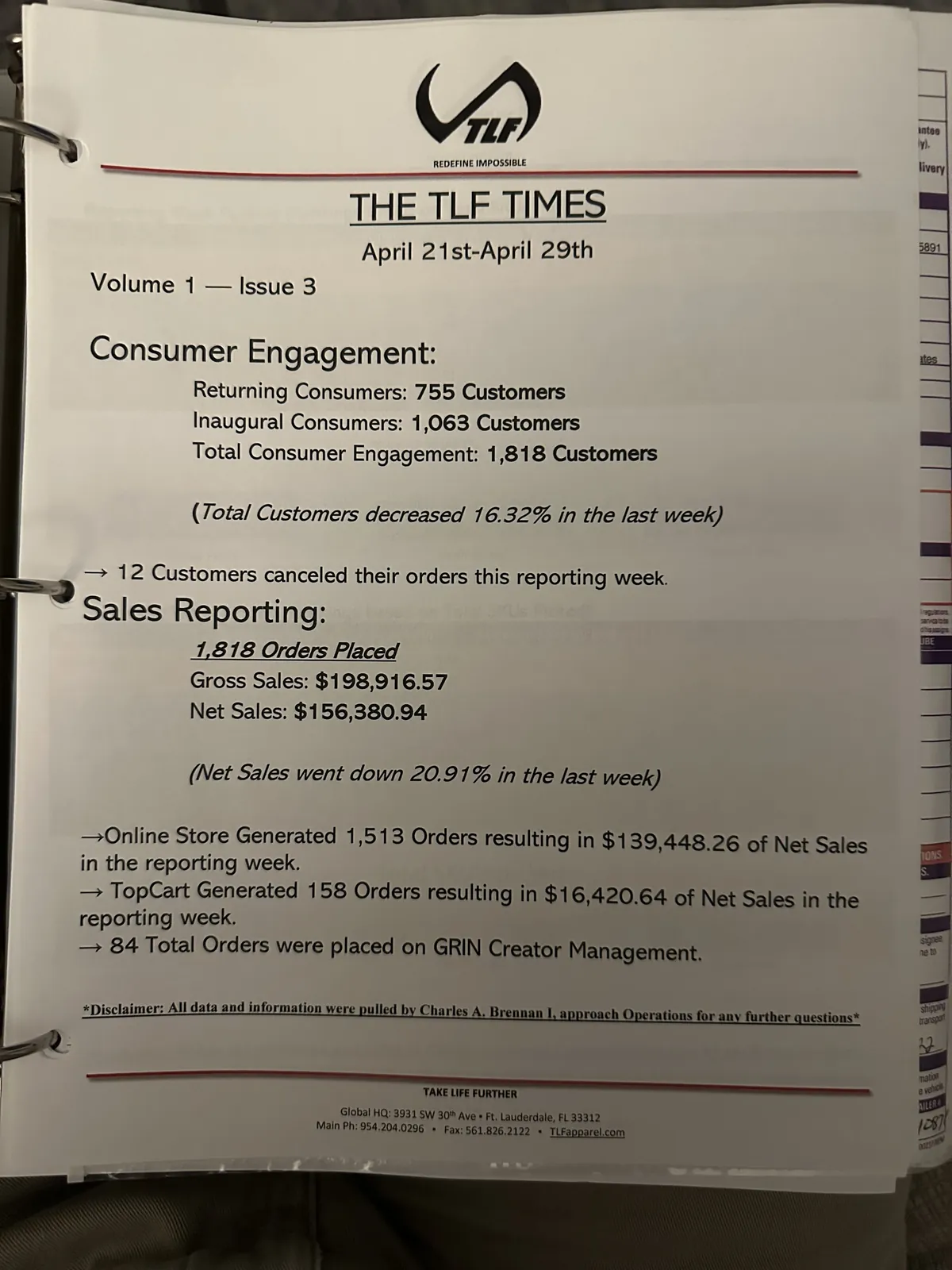
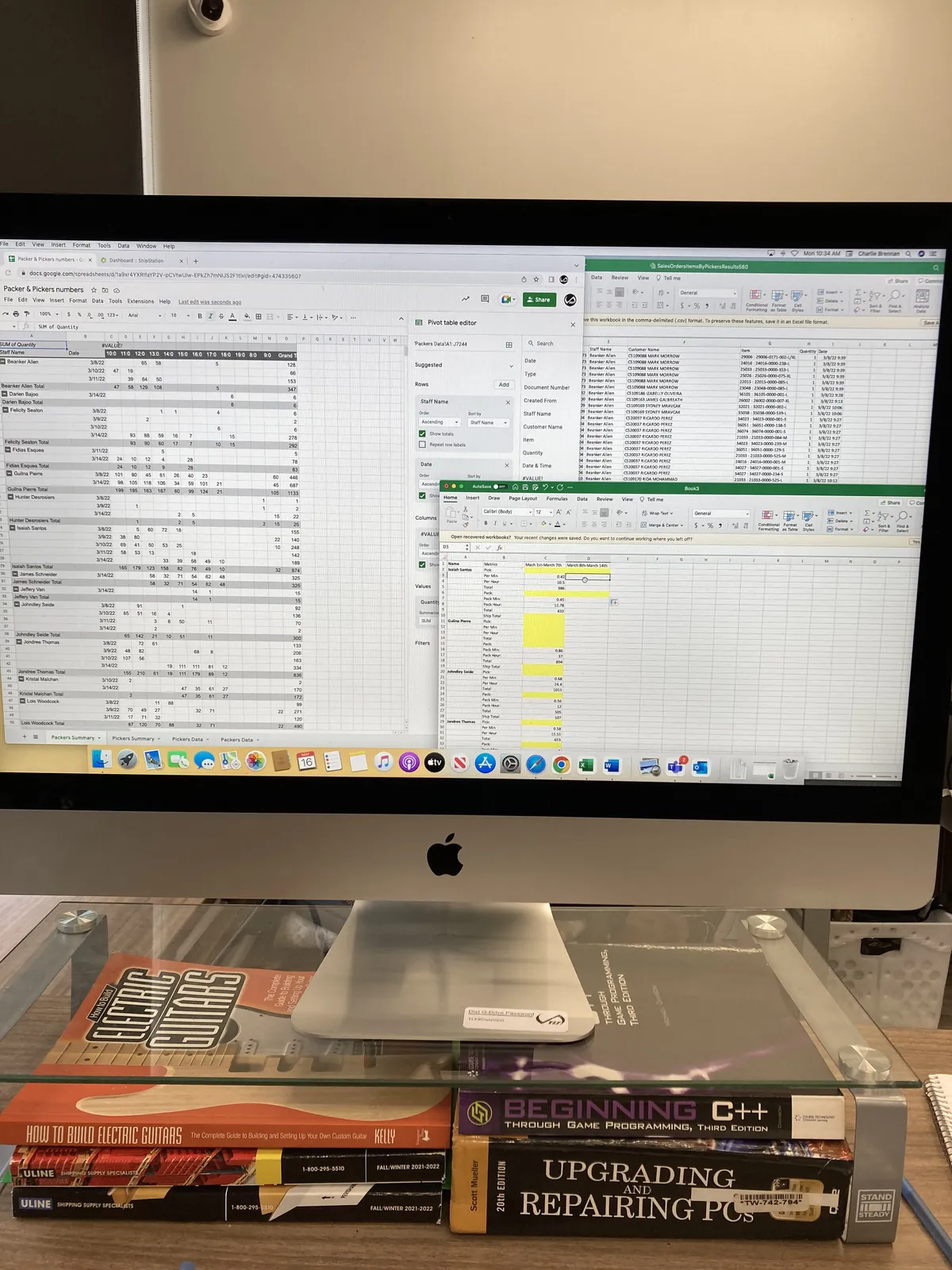
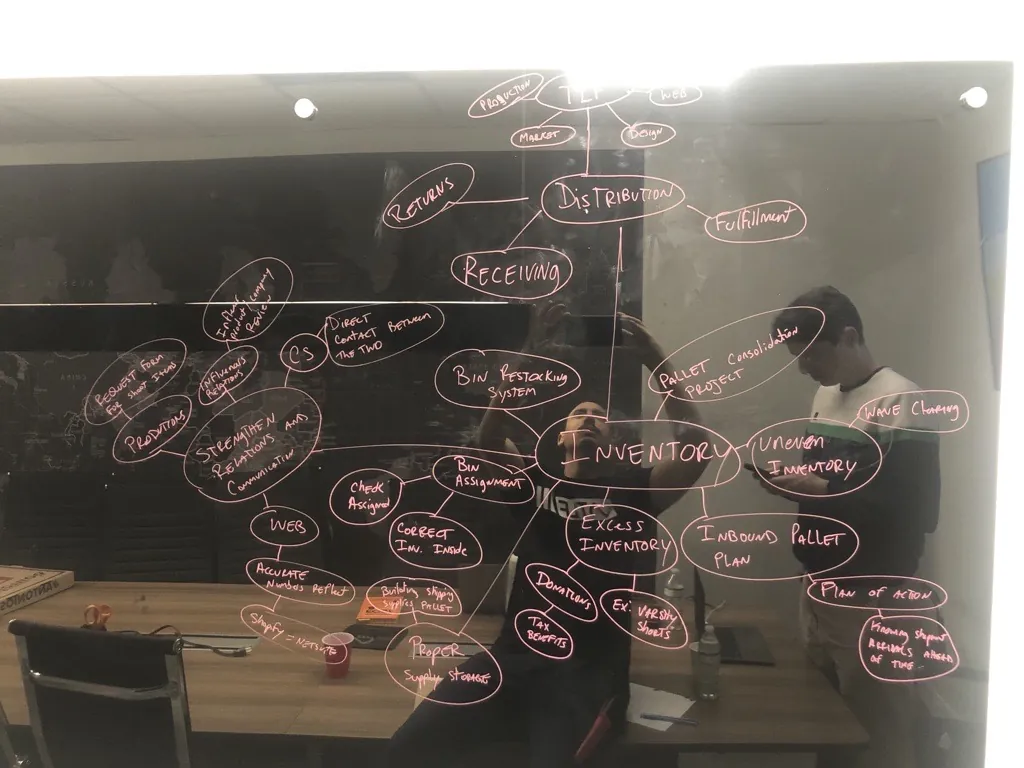
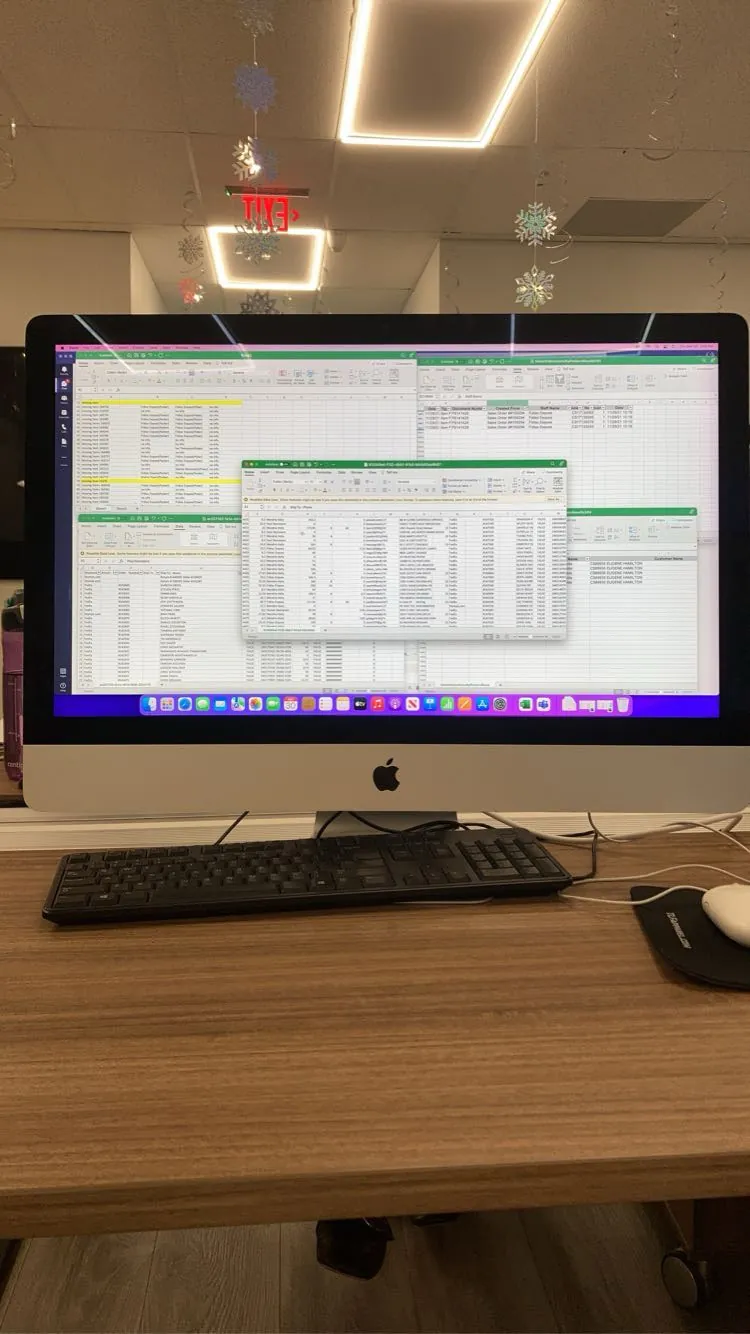
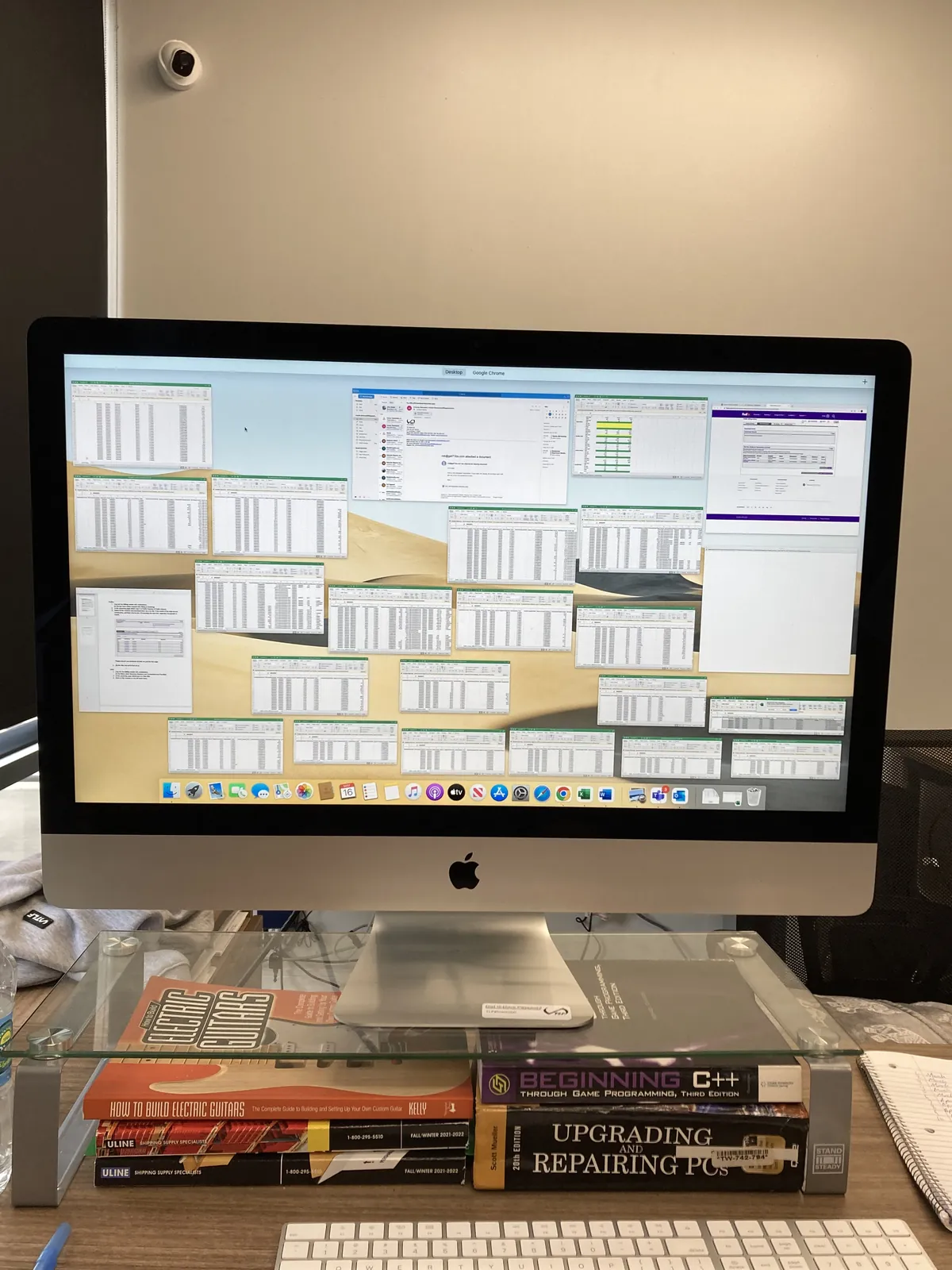
What started as hands-on warehouse work quickly evolved into something more analytical by September 2021. I realized I wanted to contribute beyond just picking and packing, so I spoke up and offered to take on additional responsibilities, even though I didn't fully know the tools yet. I began learning Excel on the fly and quickly got involved in reporting and analysis. My role expanded into monitoring warehouse performance metrics, auditing FedEx shipping timeframes to ensure SLA compliance, and creating detailed shipping analysis reports that broke down what TLF was paying carriers versus what we charged customers, highlighting our actual profit margins on fulfillment. I also started tracking inventory turnover rates to identify slow-moving products and supported redistribution strategies across TLF's South Florida region. This initiative-taking marked my transition from hands-on warehouse operations to playing a crucial role in the operational and analytical side of distribution, setting the foundation for everything that would follow in my career.
That operator experience is the foundation of my advisory work today. I evaluate supply chain and enterprise systems as someone who has picked the orders, built the KPIs, and owned the outcomes, and the results below are the proof.
384%
Increase in SKUs picked per hour
Multi-order picking in NetSuite WMS
$200K
Annual labor savings
From the picking transition
$45K
Annual shipping savings
Dimensional weight billing analysis
$350K
Dead stock liquidated
Inventory turnover analysis
Six key initiatives that shaped TLF's warehouse efficiency and operational strategy during my tenure as Supply Chain Business Analyst.